Athlete Branding: Why Athletes Are Becoming Brands
Updated: 45 minutes ago
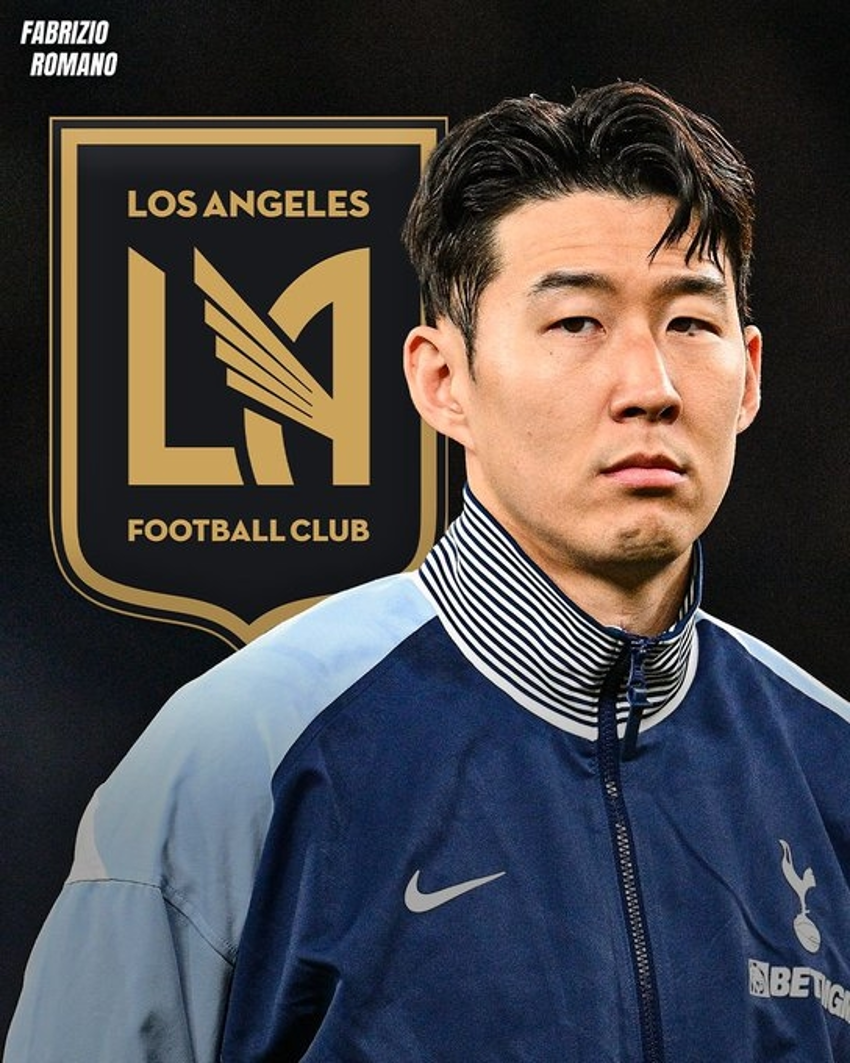
When you think of Korea, what comes to mind? Many sports fans would answer, without hesitation, "SON." An athlete's value is not limited to performance on the field; it extends to clubs and companies, and even to a nation's image and tourism promotion. Today, we will look at athlete branding in this sense.
First, athlete branding means an athlete managing their own identity, story, and fandom and turning them into a commercial product.
A representative data point for sports branding is Instagram followers. As of 2026 reports, Cristiano Ronaldo has 665 million Instagram followers, making him known as the athlete with the most followers in the world.

Compared with club accounts, the gap is clear. As of 2025, Real Madrid has 175.8 million Instagram followers, Manchester United 64.4 million, and Al Nassr 27.8 million. Ronaldo's personal account therefore has more than three times the followers of the largest club account. This follower count leads directly to sponsorship and ambassador deals, and it shows how much value athlete branding holds.
Let's look at some more specific examples of sports branding.
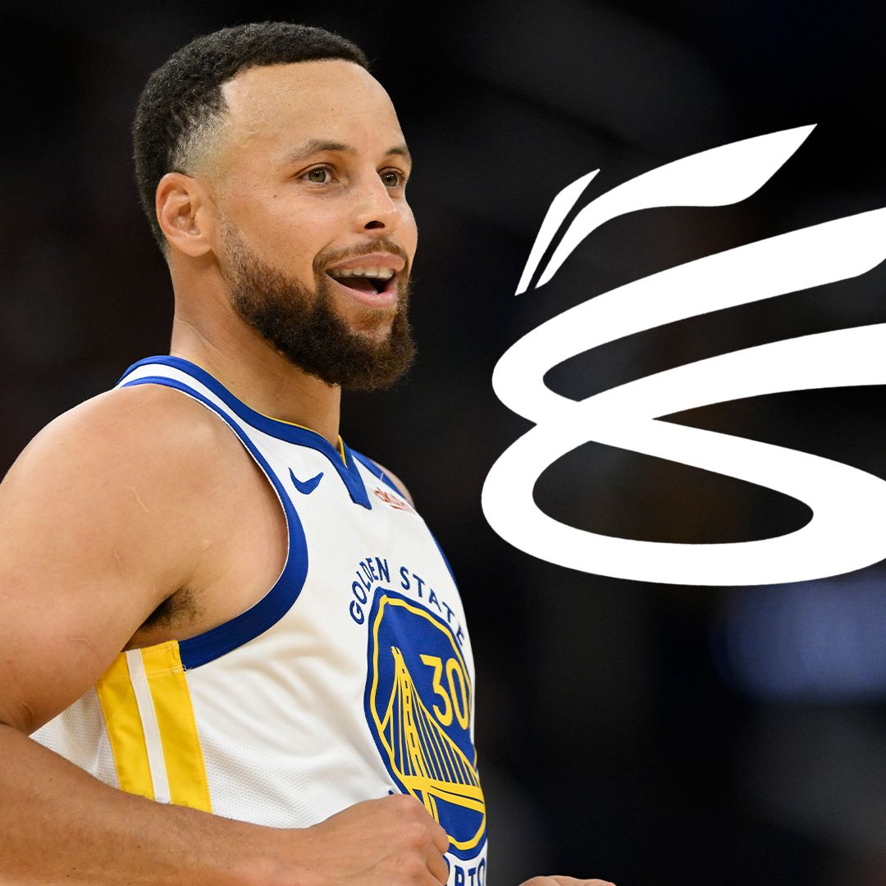
Stephen Curry is a representative case of an athlete moving from a sponsorship model to an ownership model. Curry partnered with Under Armour starting in 2012 and launched Curry Brand in 2020. In November 2025, the two sides announced that Curry Brand would separate from Under Armour and become independent, showing how an athlete who began as a company's endorser has reached the stage of leading a brand directly.
As another example, Son Heung-min shows how an athlete's fandom becomes a marketing asset for clubs, cities, and companies. LAFC paid a $26 million transfer fee for Son, the highest in MLS history. LAFC's general manager said that in the week right after he joined, Son's jersey sold more than any other across all sports worldwide, and local reports say LAFC's content views rose 594% and media coverage rose 289% immediately after the signing was announced.
I, too, have organized a variety of sports events myself, including running and basketball events, through my Global Sports Industry program. Through these experiences, I came to see athlete branding as an important field that moves the value of clubs, companies, and entire regions, beyond the income of a single athlete. While preparing for this presentation, I researched the topic firsthand, and I would like to study this field in greater depth going forward.
To summarize the cases so far, an athlete's value is no longer confined to results on the field. Ronaldo's Instagram following exceeds that of any club account, and Stephen Curry went from being a company's endorser to making his own brand independent. Son Heung-min boosts jersey sales, content views, and even a city's tourism promotion wherever he transfers. Going forward, the ability to understand and manage an athlete not simply as a member of a team but as an independent brand is expected to become even more important in the sports industry.
Comments